![[company_name], [city], [postcode]](https://magicmasonrychicago.com/wp-content/uploads/2025/10/46d7eec0cccf4fdb8aa416450d68d886.webp)

MightyBrick Masonry Contractors & Tuckpointing
Serving Homeowners and Businesses with Expert Masonry Services
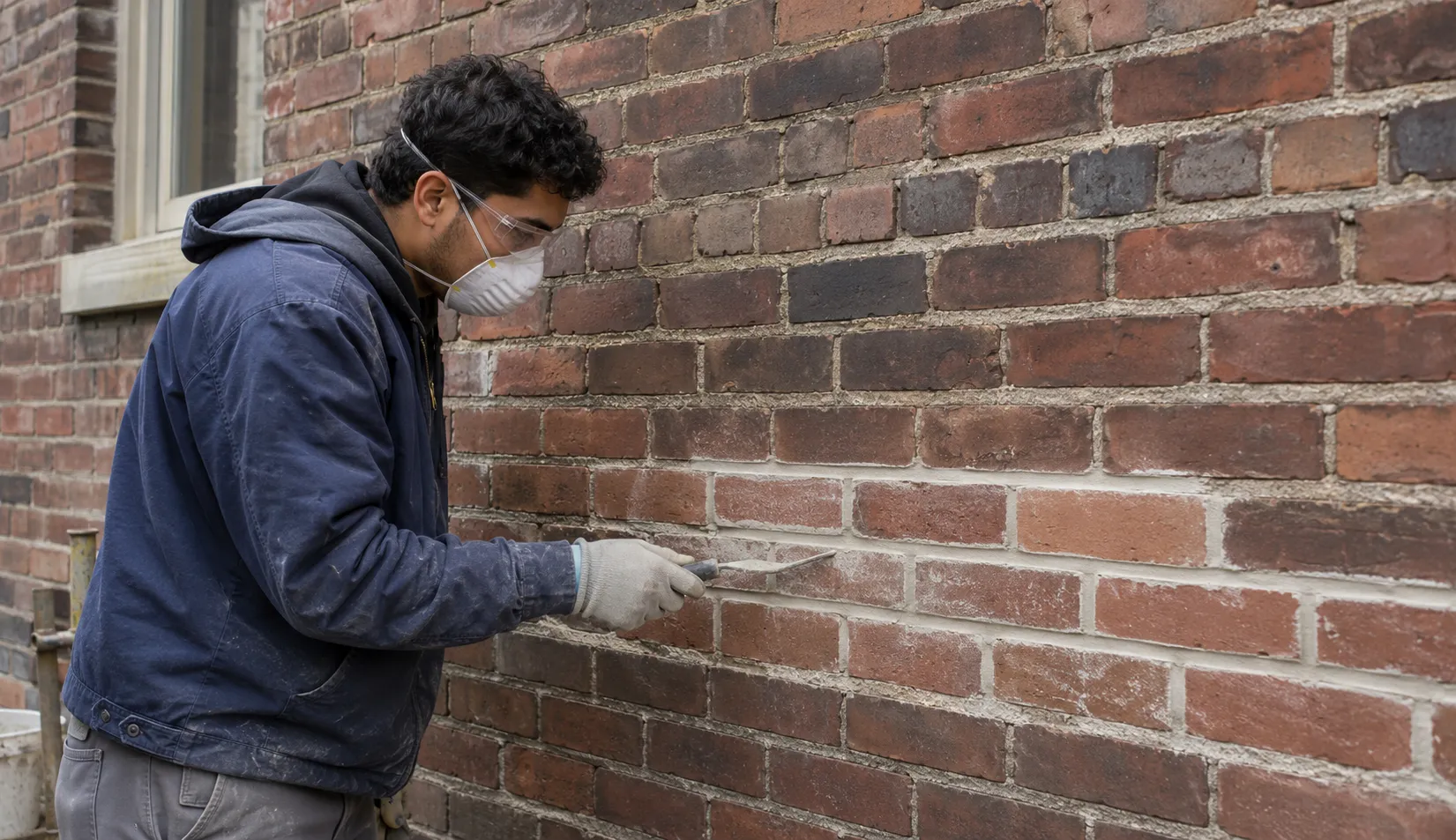
Tuckpointing
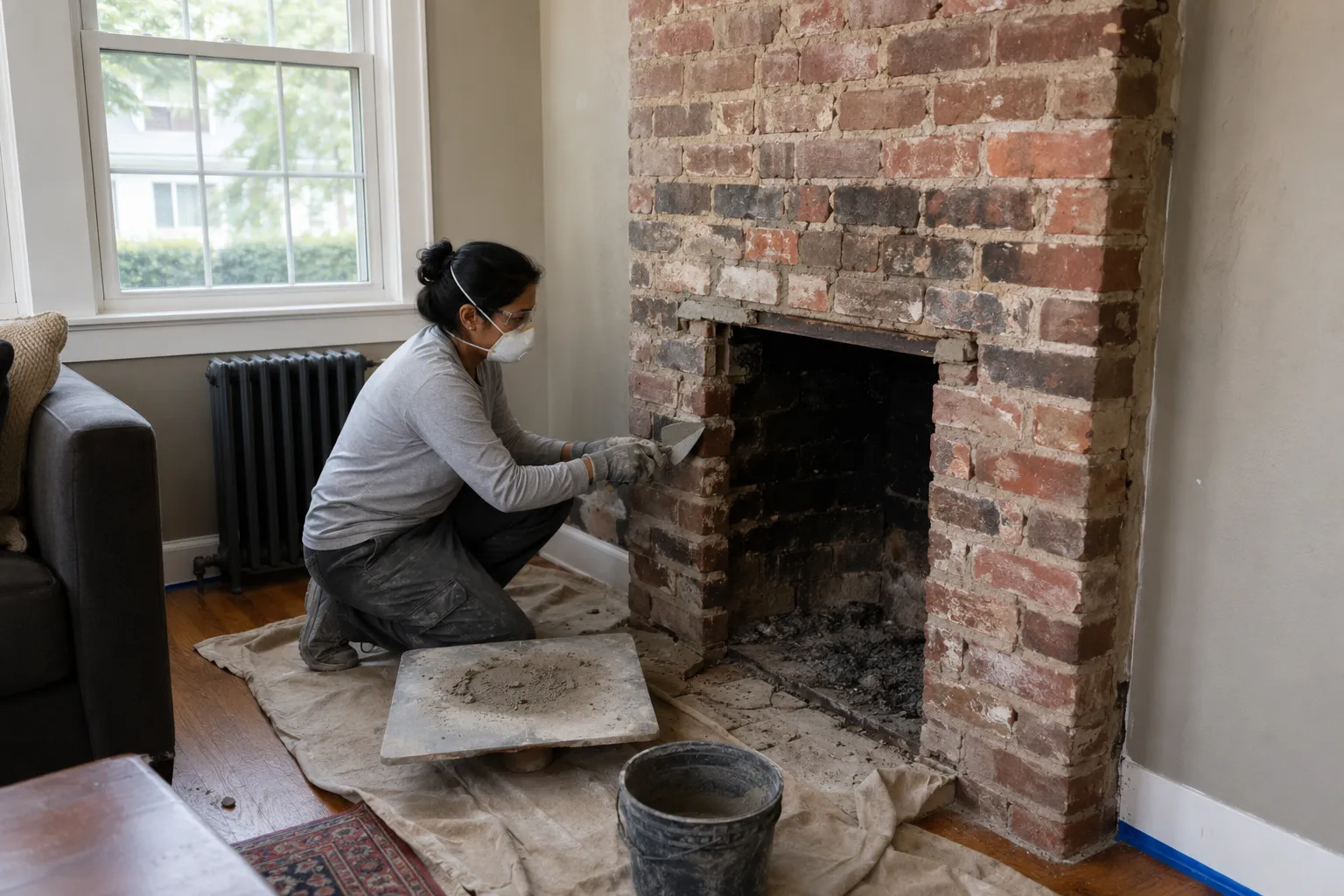
Brick Fireplaces
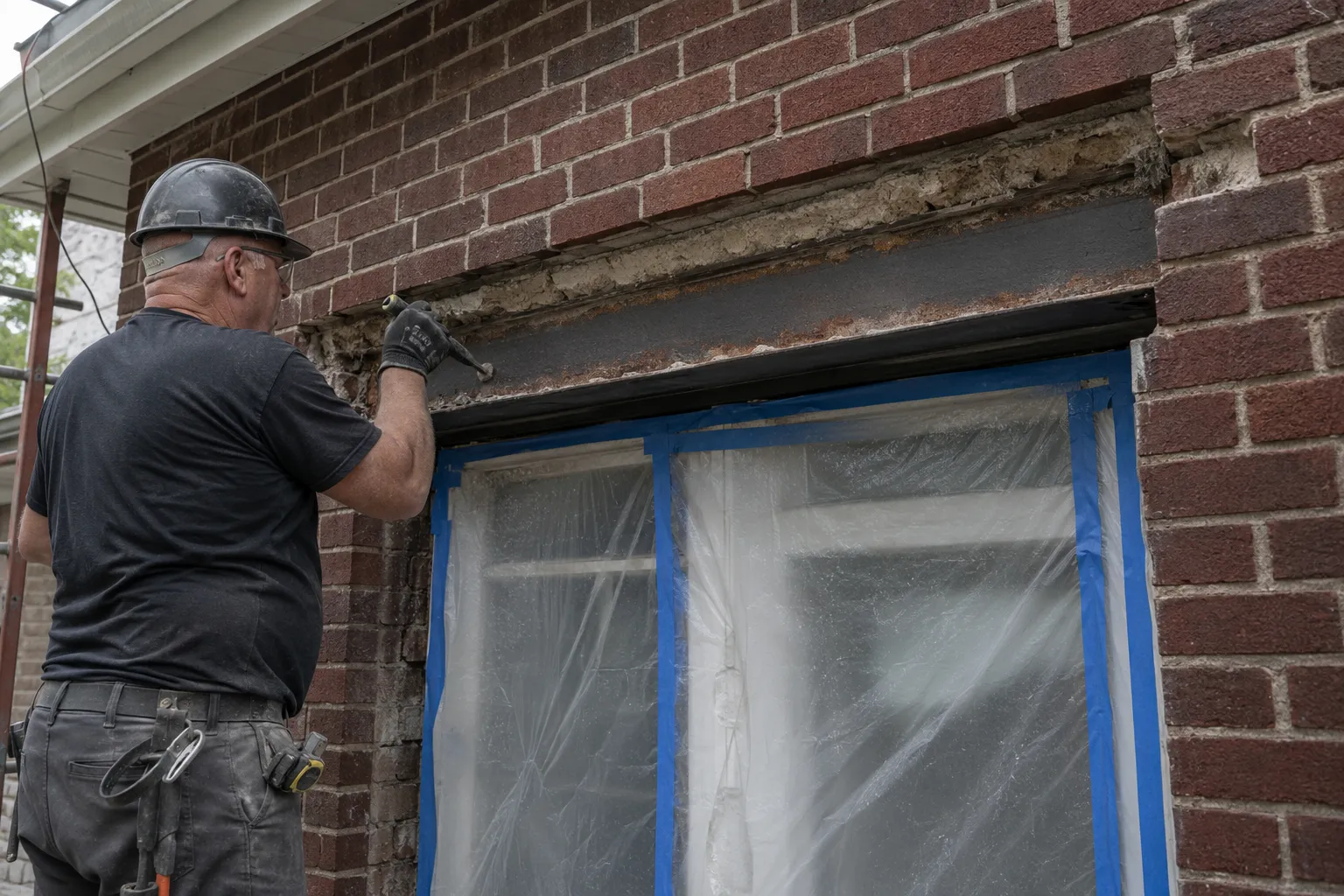
Lintel Repair
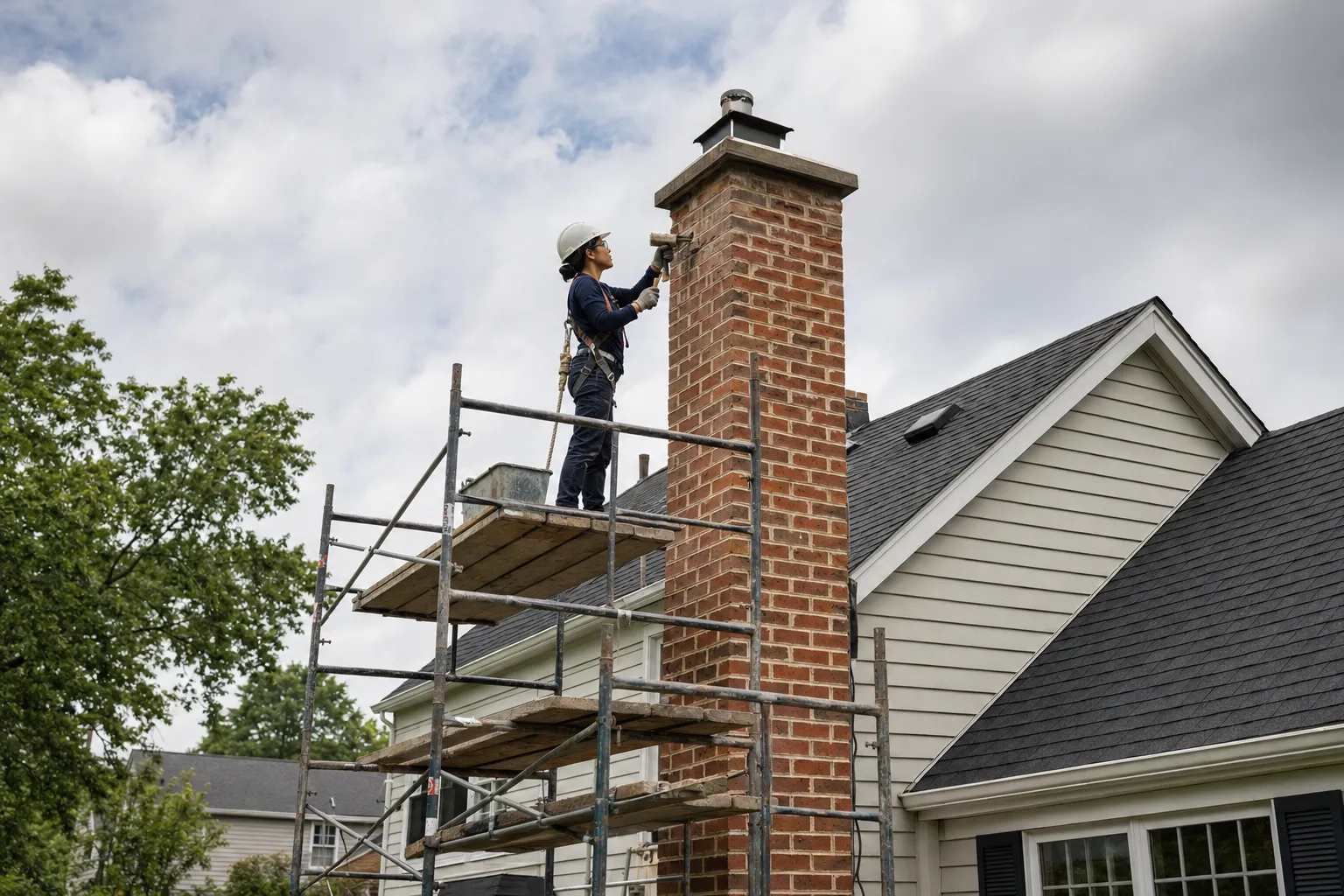
Brick Chimney Repair
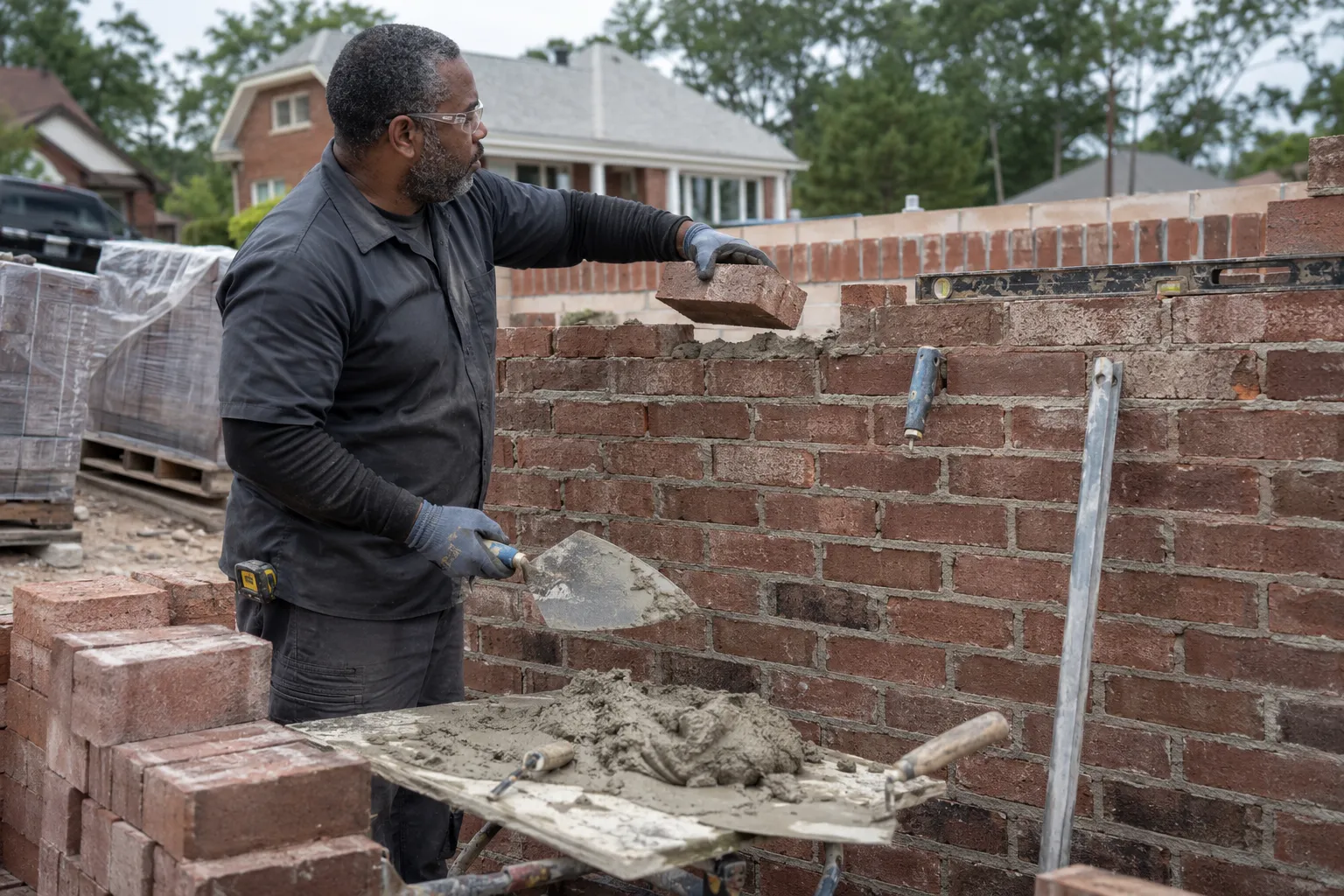
Masonry
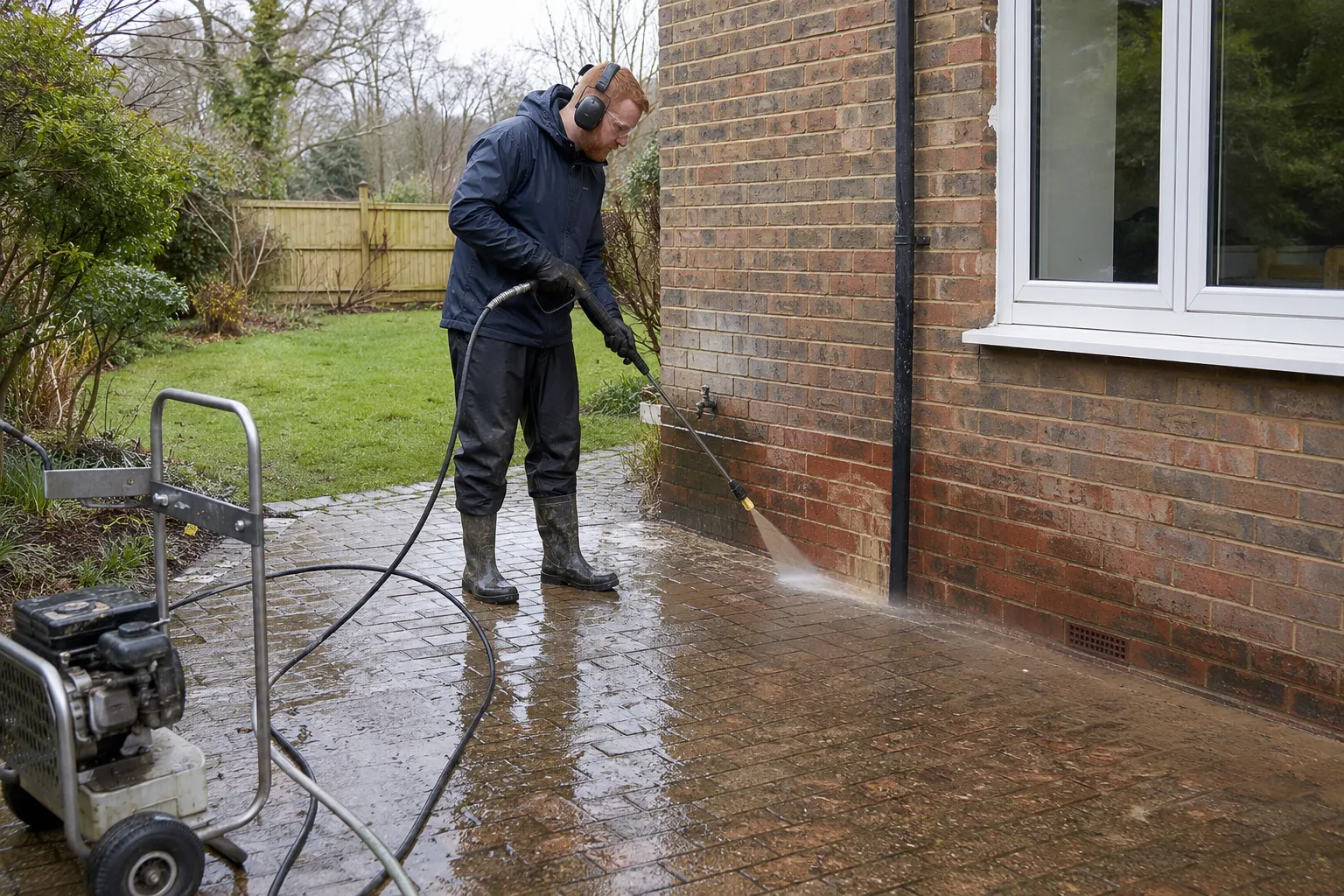
Pressure Washing
A Masonry Wall Is Solid. It Is Not Motionless.
Temperature Changes
Masonry materials respond to temperature. Seasonal and daily changes can produce dimensional movement that must be considered in long wall sections.
Moisture Expansion
Clay brick can undergo moisture-related expansion. BIA includes this behavior when calculating and accommodating expected brickwork movement.
Materials Move Differently
Brickwork, structural frames, and supporting materials do not necessarily change dimension in the same direction or at the same rate. Differential movement can create stress where assemblies interact.
Movement Needs a Location
Properly designed expansion joints create intentional breaks where brickwork can accommodate movement. Their purpose is to help avoid cracking caused by restrained expansion.
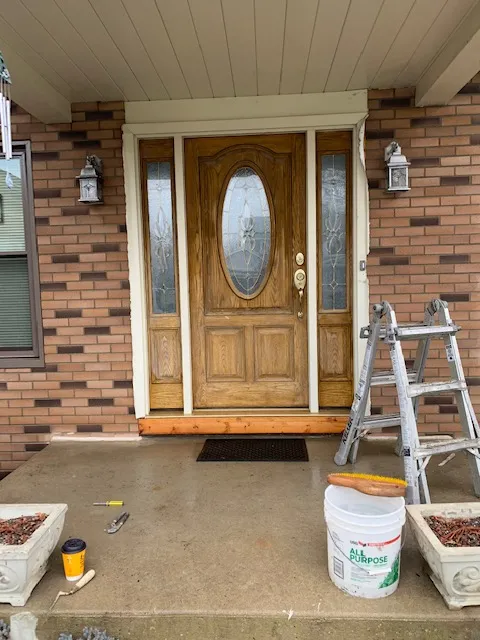
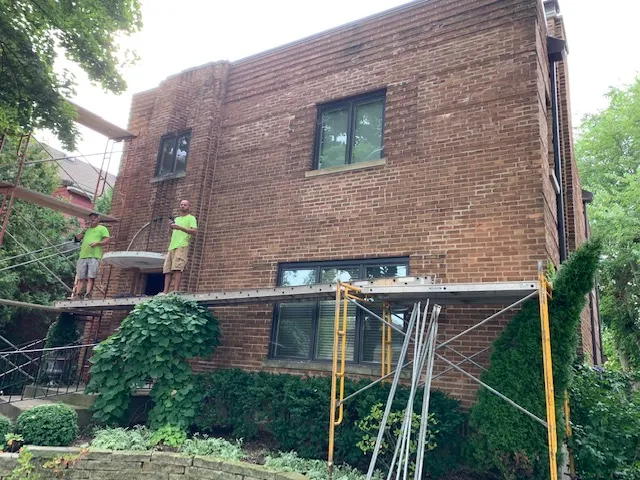
Browse Through Our Latest Tuckpointing and Masonry Work
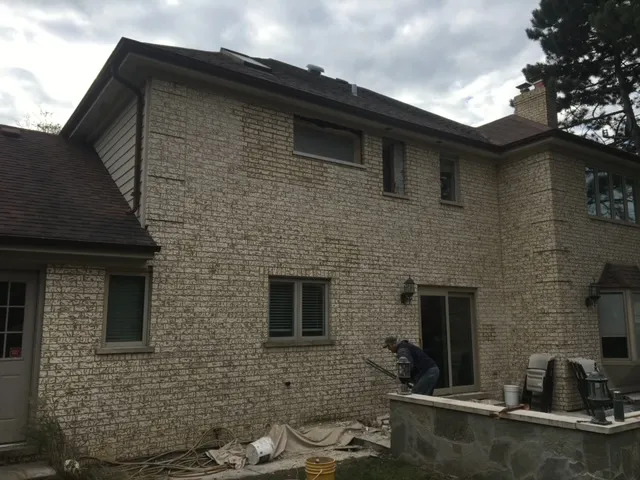
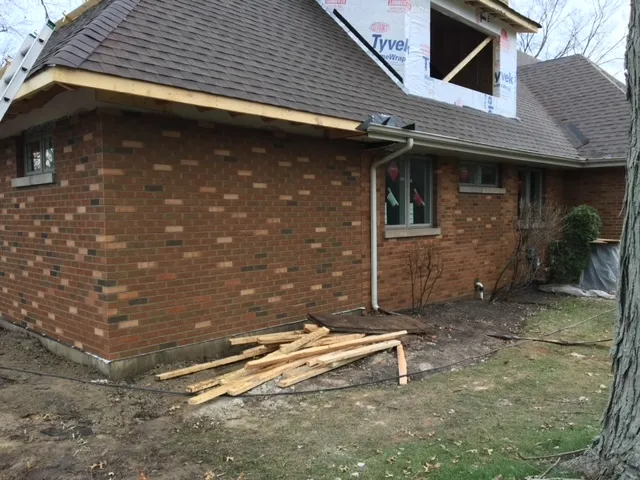
There Is a Point When Mortar Repair Is Still Mostly About Mortar
Repairs Can Stay Localized
When deteriorated joints are identified during periodic inspection, repointing can be focused on areas that actually require work rather than assuming an entire elevation has failed. BIA recommends documenting masonry conditions and repairing deterioration according to the observed cause and extent.
Adjacent Brick Is Easier to Preserve
Proper repointing removes failed mortar while avoiding unnecessary damage to masonry units. NPS guidance warns that careless mortar removal and incompatible repointing can physically damage brick, especially in older walls.
Small Openings Do Not Keep Improving
Cracks and open exterior joints can become moisture entry points. Before repair, the moisture source and wall condition should be understood rather than repeatedly covering the visible opening.
Maintenance Protects Repair Options
A wall with limited mortar deterioration may require repointing. Once damage extends into individual brick or other wall components, additional repair procedures may become necessary. BIA treats these as distinct maintenance operations.
Our Streamlined Process for Seamless Masonry Services
1-Initial Consultation & Assessment
We begin by scheduling a consultation to understand your needs, assess your property, and provide a detailed plan for the project. Our team takes the time to discuss your goals and any specific requirements.
2-Expert Craftsmanship & Execution
Once the plan is approved, our skilled masons get to work using the best materials and techniques. We ensure that every detail is addressed, focusing on quality, precision, and durability throughout the process.
3-Final Inspection & Client Satisfaction
After completing the project, we perform inspection to ensure everything meets our standards and walk you through the results to ensure your satisfaction before finishing.
Fire Performance Begins With the Material, but It Is Measured as a Wall
Clay Is Fired During Manufacturing
Brick units are produced through firing at high temperatures. BIA identifies fired clay masonry as inherently fire-resistant and documents its use in fire-resistive wall construction.
The Masonry Does Not Become Fuel
Brick's noncombustible nature means the masonry unit does not contribute combustible material to a fire in the way fuel-bearing building products can. Fire resistance, however, still depends on the full construction being evaluated.
The Complete Assembly Is Rated
Brick wall fire resistance may be established through ASTM E119 testing or code-recognized calculation methods. Wall type, masonry thickness, backing, and other construction details influence the applicable rating.
Supporting Construction Also Matters
A fire-resistance-rated masonry wall should be supported by construction with appropriate fire resistance. BIA notes that an unrated support can undermine the performance of a rated wall assembly if the supporting element fails first.
Request Your Free Quote Now
Take the First Step Towards Restoring Your Property
The Amount of Visible Rust Does Not Make the Lintel Decision
Deflection Is Considered
Lintels must limit movement as well as resist structural loads. Excessive deflection can contribute to masonry cracking above an opening.
The Steel Itself Is Evaluated
Structural assessment looks beyond rust color to the member carrying the brickwork, including stresses, serviceability, and corrosion resistance.
Bearing Matters
The ends of a lintel transfer forces into supporting masonry. BIA lintel guidance treats bearing as part of the structural design of the member.
The Wall Above Is Part of the Diagnosis
Flashing, weeps, and drainage around an opening influence moisture conditions at the lintel. They should not be treated as unrelated details.
See What Our Customers Have to Say About Our Work
I couldn’t be happier with the tuckpointing service. These masonry contractors were incredibly professional, fixing the gaps in my brickwork with precision and care.
I was looking for tuckpointing near me in Chicago, and this team exceeded my expectations. They restored my crumbling brick foundation and handled the masonry work with precision. Great service!
These masonry contractors were fantastic. My chimney repair was done with such attention to detail, and the team was so friendly and easy to work with.
![[company_name], [city], [postcode]](https://magicmasonrychicago.com/wp-content/uploads/2025/10/d605e781615a40058d4a7e6039655d3c.webp)